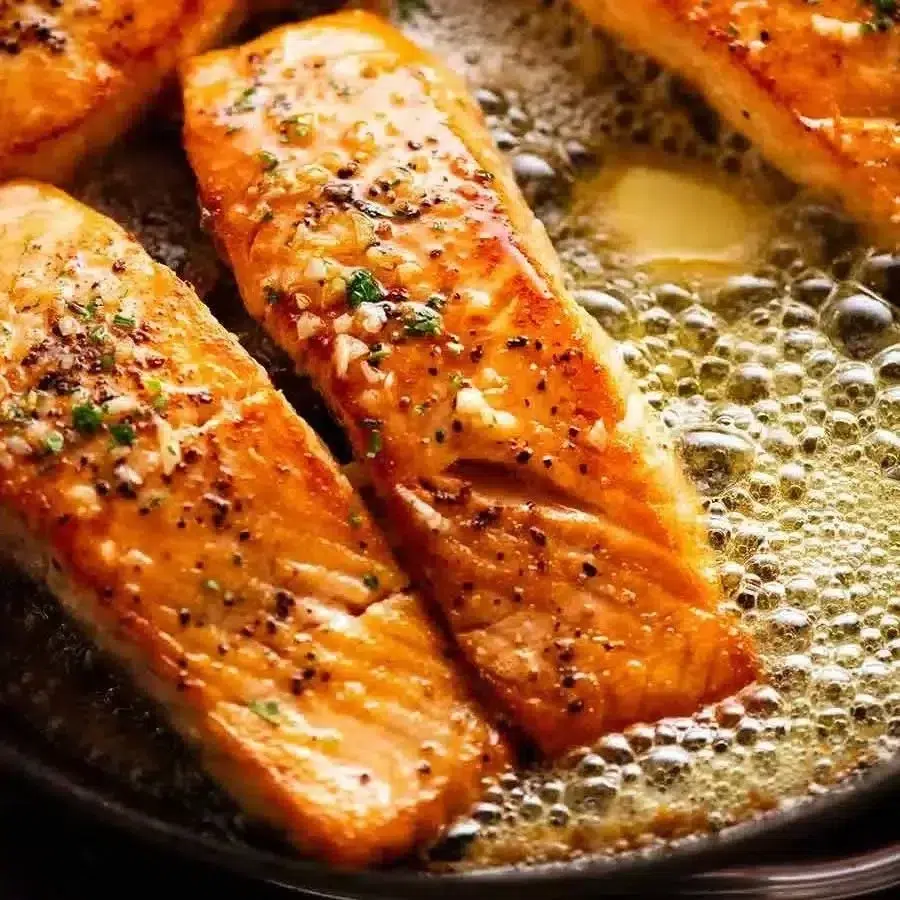
Pan-Seared Fillets with Garlic Butter
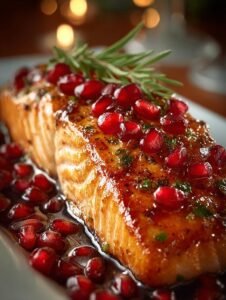
The first bite is bright and buttery, with a crisp golden edge and flaky, tender flesh that melts on the tongue. These pan-seared fillets cook in minutes and are finished in a garlicky brown butter sauce that smells like dinner should. After testing this technique with cod, haddock, and halibut over many trials, I settled on a salt, pepper, and gentle flour dusting for the perfect crust and the fastest cook time possible. This is the version I perfected while teaching home cooks at a community kitchen; the method is forgiving and fast. Read on for a clear ingredient breakdown, exact metric and imperial measurements, and pro tips so your fillets come out perfect every time — even on a weeknight. For a buttery, garlicky side that echoes these flavors, try pairing with our garlic bread.
Why This Recipe Works
- Hot pan, little oil: a hot skillet creates Maillard browning quickly without overcooking the interior.
- Light flouring: 1 tablespoon of flour gives a delicate crust that holds up to the butter sauce without becoming gummy.
- Browned butter + garlic: cooking butter until nutty deepens flavor and raises the sauce’s aromatics without overwhelming the fish.
- Short, monitored cook time: fish cooks fast; checking by feel and fork prevents dryness.
- Simple seasoning highlights quality fish: salt and pepper let the fillet’s flavor shine.
Ingredients Breakdown
- Fish fillets (4 × 170 g / 6 oz each; total 680 g / 1.5 lb): Use firm white fish like cod, haddock, or halibut. Thicker fillets (2–3 cm / ¾–1¼ in) cook more evenly. If using very thin fillets, cut cook time in half.
- All-purpose flour — 15 g (1 tablespoon): Lightly dusts the fillets to encourage browning. Skipping flour reduces crust but keeps the dish gluten-free if you use cornstarch instead (see substitution note).
- Kosher salt — 1½ teaspoons (use Diamond Crystal; if using Morton’s, use 1 teaspoon): Salt seasons the fish; crystal size matters for even seasoning.
- Freshly ground black pepper — ¼ teaspoon: Adds subtle bite.
- Olive oil — 15 ml (1 tablespoon): High-smoke-point oil to start the sear.
- Unsalted butter — 60 g (4 tablespoons): Use unsalted to control salt in the sauce. Butter browns for nutty flavor.
- Garlic — 3 cloves, minced (9–10 g): Releases strong aroma when gently cooked in browned butter.
- Lemon — 1, juiced (about 30 ml / 2 tablespoons) and extra wedges to serve: Brightens and balances the butter.
- Fresh parsley — 2 tablespoons, chopped (8 g): Adds color and fresh herb note.
- Optional: a pinch of red pepper flakes (0.25 g) for heat.
Substitutions and impact warnings:
- Cornstarch (1 tablespoon) instead of flour: Keeps the dish gluten-free and gives a lighter crust, but it browns faster—watch the color.
- Ghee instead of butter: Higher smoke point and nutty flavor, but missing the classic buttery milk solids that brown and deepen flavor.
- Salt swap: If you use Morton’s kosher salt, use less or the fillets may be over-salty.
Essential Equipment
- Heavy-bottomed skillet, 25–28 cm (10–11 in) — stainless steel or cast iron preferred for even heat and browning.
- Fish spatula or thin, flexible offset spatula — helps flip delicate fillets without tearing.
- Instant-read thermometer — to test doneness quickly; fish should reach 63°C (145°F) internally.
- Small heatproof bowl — for melted butter and lemon to rest in before spooning over fish.
- Paper towels — to pat fillets dry (critical for browning).
- If you don’t have a heavy skillet, use a nonstick pan over moderate-high heat; increase cook time by 30–60 seconds per side to get similar browning. For a more elegant finish, use a splatter screen to keep your stovetop clean.
Step-by-Step Instructions
Prep Time: 10 minutes | Cook Time: 10 minutes | Inactive Time: None | Total Time: 20 minutes | Servings: 4
Step 1: Dry and season the fillets
Pat 4 fillets dry with paper towels until surface moisture is removed, about 30–60 seconds per fillet. Season both sides with 1½ teaspoons kosher salt and ¼ teaspoon freshly ground black pepper. Let sit for 2 minutes to let the seasoning adhere.
Step 2: Lightly dust with flour
Place 15 g (1 tablespoon) all-purpose flour on a plate and press each fillet into the flour so both sides get a thin, even dusting. Shake off excess. This thin coating creates a golden crust without a floury finish.
Step 3: Heat the pan and sear
Heat a 25–28 cm (10–11 in) skillet over medium-high until very hot, about 2–3 minutes. Add 15 ml (1 tablespoon) olive oil and swirl. Place fillets skin-side up or presentation-side down if skinless. Sear for 2–3 minutes without moving, until the edge is golden and you see browning along the side.
Step 4: Flip and finish
Carefully flip with a fish spatula and cook the second side for 2–3 minutes, lowering heat to medium if the pan smokes. Cook until the fillets reach an internal temperature of 63°C (145°F) or the flesh flakes easily with a fork — sensory cue: the center is opaque and springs back slightly.
Step 5: Make the garlic brown butter
While the fillets finish, reduce heat to medium-low, add 60 g (4 tablespoons) unsalted butter to the skillet or a small pan, and swirl until the butter foams and the milk solids turn light brown and smell nutty, 1–2 minutes. Add 3 cloves minced garlic and cook 20–30 seconds until fragrant — do not let the garlic burn.
Step 6: Spoon and serve
Turn off the heat, stir in juice of 1 lemon (about 30 ml / 2 tablespoons) and 2 tablespoons chopped parsley, then tilt the pan and spoon the garlic butter over the fillets for 15–30 seconds. Serve immediately with lemon wedges.
Critical: Do not overcook — remove the fillets as they hit 63°C (145°F); residual heat will carry them the rest of the way.
Expert Tips & Pro Techniques
- Use room-temperature fillets for even cooking; cold fish sticks to the pan more.
- Common mistake: crowding the pan lowers the temperature and prevents browning. Cook in batches if needed and keep finished fillets warm on a baking sheet in a 90°C (200°F) oven.
- Test doneness with an instant-read thermometer (63°C / 145°F) or by flaking gently with a fork — the fish should be opaque and just flaky.
- Make-ahead: cook fillets through Step 4, cool, and refrigerate in a shallow airtight container for up to 24 hours; reheat in a 175°C (350°F) oven for 8–10 minutes and finish with fresh garlic butter warmed separately.
- Professional trick for a better crust: pat the fillets dry, dust with a touch of cornstarch (5 g / 1 teaspoon) blended into the flour for an extra-crisp edge.
- To keep sauce bright, add lemon at the end and taste before adding salt — butter concentrates flavors as it reduces.
- For more depth, add a teaspoon of capers in the last 30 seconds of sauce cooking to echo classic brown-butter-caper sauces.
(In this section I reference a related garlic-forward technique in our pan-seared pasta guide to show how these flavors pair; see the linked pasta recipe in the instructions below.)
Storage & Reheating
- Refrigerator: Store cooled fillets in an airtight container for up to 2 days. Place sauce separately in a small jar so the crust stays firmer.
- Freezer: Cooked fillets lose texture when frozen; not recommended. If necessary, flash-freeze on a tray, then transfer to a freezer bag for up to 1 month. Thaw overnight in the refrigerator.
- Reheating: Reheat in a 175°C (350°F) oven for 8–10 minutes until just warmed through. Reheat gently on the stovetop in a nonstick pan over low heat for 3–4 minutes, spooning a little fresh garlic butter over the top. Avoid microwaving — it makes the fish dry and the crust soggy.
Variations & Substitutions
- Gluten-Free Version: Replace all-purpose flour with 1 tablespoon cornstarch (15 g) for a light crust. Cornstarch browns faster; reduce sear time by 30–60 seconds per side.
- Lemon-Caper Fillets: Add 1 tablespoon capers to the garlic butter in Step 5 and finish with an extra 1 tablespoon chopped parsley. Stay with the same cook times.
- Herb Butter Finish (less garlic): Swap garlic for 1 tablespoon minced chives and 1 tablespoon minced tarragon in the butter for a gentler herb finish; sauté 10–15 seconds.
- Spicy Version: Add ¼ teaspoon red pepper flakes to the butter and finish with a small squeeze of fresh lemon. No time changes.
- Alternate protein: Use the same method with skinless chicken cutlets (140–170 g / 5–6 oz each), but increase cook time to 4–6 minutes per side and confirm internal temp of 74°C (165°F).
Serving Suggestions & Pairings
- Starchy side: Serve with roasted baby potatoes tossed in the pan juices — try our garlic-butter potatoes for similar flavors.
- Pasta: A simple angel hair tossed in olive oil, lemon, and parsley echoes the fillet’s brightness; pair with our garlic butter pasta for a bolder pairing.
- Vegetable: Steamed asparagus or sautéed green beans with a squeeze of lemon keep the plate bright and fresh.
- Poultry complement: For a family-style spread, include roasted garlic-butter chicken from our garlic butter baked chicken.
- Beverage: A crisp, unoaked white wine like Sauvignon Blanc or a light lager pairs well.
- For a garlic-forward starter, serve slices of warm garlic bread (see our garlic bread) to soak up any leftover sauce.
Nutrition Information
Per serving (1 fillet). Servings: 4 | Serving size: 1 fillet (approx. 170 g / 6 oz)
- Calories: 360 kcal
- Total Fat: 20 g
- Saturated Fat: 9 g
- Cholesterol: 80 mg
- Sodium: 380 mg
- Total Carbohydrates: 3 g
- Dietary Fiber: 0 g
- Sugars: 0 g
- Protein: 38 g
Nutrition values are estimates. Actual values may vary based on specific ingredients and preparation methods.
Frequently Asked Questions
Q: Why did my fillets turn out dry?
A: Most often they were overcooked. Fish cooks quickly; remove fillets when they register 63°C (145°F) or when the flesh is opaque and flakes easily. Also avoid high heat that chars the outside before the center cooks through.
Q: Can I make this without eggs?
A: Yes — this recipe does not use eggs. If you meant an eggwash for crust, skip it; the light flour or cornstarch dusting gives a fine crust without eggs.
Q: Can I double this recipe?
A: Yes. Cook in batches rather than crowding the pan. Keep finished fillets warm in a 90°C (200°F) oven on a baking sheet while the remaining fillets cook.
Q: Can I prepare this the night before?
A: You can prepare Steps 1–4 (season, dust, and sear) up to 24 hours ahead. Cool quickly, store in a shallow airtight container, and reheat in a 175°C (350°F) oven for 8–10 minutes. Add fresh garlic butter right before serving.
Q: How long does this keep in the fridge?
A: Store cooked fillets refrigerated for up to 2 days in an airtight container. For best texture, plan to eat within 24 hours.
Q: What fish is best for this recipe?
A: Firm white fish like cod, haddock, halibut, or sea bass work best because they hold together during searing. Avoid very delicate fish like tilapia if you want a sturdy presentation.
Q: My garlic turned bitter — what happened?
A: Garlic burns quickly in hot butter. Brown the butter first, then add garlic for only 20–30 seconds. If garlic is brown or black, discard that portion and start again to avoid bitterness.
Conclusion
These fillets are an easy way to bring a restaurant feel to weeknight dinners. For a richer cut and technique notes focused on thicker steaks and finishing in a butter-garlic pan sauce, see Dinner at the Zoo’s filet mignon garlic butter method. If you want alternate searing steps and timing for steaks and larger pieces of meat, this pan-seared steak with garlic and butter guide complements the technique used here.
Print
Pan-Seared Fillets with Garlic Butter
- Total Time: 20 minutes
- Yield: 4 servings 1x
- Diet: Gluten-Free
Description
Enjoy buttery, garlicky pan-seared fish fillets with a crisp golden edge, perfect for a quick weeknight dinner.
Ingredients
- 4 Fish fillets (170 g / 6 oz each; total 680 g / 1.5 lb)
- 15 g (1 tablespoon) All-purpose flour
- 1½ teaspoons Kosher salt
- ¼ teaspoon Freshly ground black pepper
- 15 ml (1 tablespoon) Olive oil
- 60 g (4 tablespoons) Unsalted butter
- 3 cloves Garlic, minced (9–10 g)
- 1 Lemon, juiced (about 30 ml / 2 tablespoons) and extra wedges to serve
- 2 tablespoons Fresh parsley, chopped (8 g)
- Optional: pinch of red pepper flakes
Instructions
- Dry and season the fillets: Pat 4 fillets dry with paper towels, season both sides with kosher salt and black pepper; let sit for 2 minutes.
- Lightly dust with flour: Press each fillet into flour for a thin coating; shake off excess.
- Heat the pan and sear: Heat skillet over medium-high for 2–3 minutes, add olive oil, then place fillets skin-side up. Sear for 2–3 minutes until the edge is golden.
- Flip and finish: Carefully flip the fillets and cook the second side for 2–3 minutes, until they reach an internal temperature of 63°C (145°F).
- Make the garlic brown butter: Reduce heat to medium-low, add butter, swirl until foamy and milk solids are light brown, then add minced garlic and cook until fragrant.
- Spoon and serve: Stir in lemon juice and parsley, then spoon garlic butter over the fillets. Serve with lemon wedges.
Notes
Use room-temperature fillets for even cooking. Do not crowd the pan and test doneness with an instant-read thermometer.
- Prep Time: 10 minutes
- Cook Time: 10 minutes
- Category: Main Course
- Method: Searing
- Cuisine: American
Nutrition
- Serving Size: 1 fillet (approx. 170 g / 6 oz)
- Calories: 360
- Sugar: 0g
- Sodium: 380mg
- Fat: 20g
- Saturated Fat: 9g
- Unsaturated Fat: 6g
- Trans Fat: 0g
- Carbohydrates: 3g
- Fiber: 0g
- Protein: 38g
- Cholesterol: 80mg

Written by Anna
Anna is a professional recipe developer and food writer at Al3abFun. With over 8 years of experience in recipe development and food styling, she specializes in creating approachable, tested recipes that bring families together around the dinner table. Anna holds a culinary arts certification and has been featured in various food publications. Every recipe on Al3abFun is triple-tested in her home kitchen to ensure perfect results every time.