Vegetarian Lasagna | Simple, Flavorful Weeknight Bake
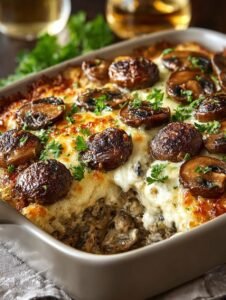
The first forkful is all about warm tomato, bubbling cheese, and roasted vegetables that smell like Sunday dinner; this vegetarian lasagna captures that comfort with a light, bright finish. After testing and refining this version over a dozen runs in small home kitchens and at pop-up dinners, I settled on a balance of roasted vegetables, herbed ricotta, and a thin, flavorful sauce that keeps every bite moist and layered. This is the lasagna I developed while teaching weeknight classes for home cooks; it holds up well to reheating and scales cleanly. Below you’ll find clear steps, precise metric and imperial measurements, and tips that prevent the common pitfalls so your lasagna comes out sturdy, not soupy.
Why This Recipe Works
- Roasted vegetables concentrate sweetness and reduce water content, preventing a watery bake.
- A thin, seasoned tomato sauce keeps pockets of moisture without drowning the layers.
- Ricotta mixed with an egg and Parmesan creates a stable, creamy layer that sets when baked.
- Brief pre-baking (par-baking) of noodles or using no-boil noodles lets the pasta absorb the right amount of sauce.
- Layer order matters: sauce, pasta, cheese, vegetables — this keeps structure and even heat distribution.
Ingredients Breakdown
- Lasagna noodles (250 g / 8–9 sheets for a 23 x 33 cm / 9 x 13 inch pan): Use no-boil or regular dried noodles. If using regular, boil 8 minutes until pliable. No-boil saves time but requires slightly more sauce.
- Olive oil (45 ml / 3 tbsp): For roasting and sautéing. Use extra-virgin for flavor.
- Zucchini and eggplant (500 g total / about 2 medium): Roast to remove excess moisture. If skipped, the lasagna can be watery.
- Bell peppers (200 g / 2 medium): Adds sweetness and color; roast with other veg.
- Onion (150 g / 1 medium) and garlic (9 g / 3 cloves): Build the sauce base.
- Canned tomatoes (800 g / 28 oz crushed or whole, blended) and tomato paste (30 g / 2 tbsp): Create a bright but not overly acidic sauce.
- Dried oregano and basil (2 tsp / total) and a bay leaf: Keep the herb notes consistent.
- Ricotta (450 g / 2 cups): Provides creamy body; if using a low-fat ricotta, texture will be lighter.
- Egg (50 g / 1 large): Binds the ricotta so it sets on baking.
- Grated Parmesan (75 g / 3/4 cup) and shredded mozzarella (300 g / 3 cups): Parmesan adds salt and umami; mozzarella melts for stretch.
- Fresh basil (15 g / 1/2 cup packed) and salt (to taste): Finish layers with freshness and seasoning.
- Salt guidance: Use Diamond Crystal kosher salt for standard measures; if using Morton’s, halve the amount because it’s denser.
Substitutions with impact warnings:
- Swap ricotta for cottage cheese: texture will be looser; blend cottage cheese first.
- Use vegan ricotta and dairy-free mozzarella for a vegan version — expect a softer set and slightly different flavor.
- Swap egg for 1 tbsp cornstarch mixed with 2 tbsp water if avoiding eggs — results will set but be less rich.
Essential Equipment
- 23 x 33 cm (9 x 13 inch) baking dish — smaller pans will overflow.
- Roasting sheet for vegetables.
- Large skillet for sauce and sautéing (30 cm / 12 inch works well).
- Fine-mesh sieve or blender for tomatoes (if using whole canned tomatoes).
- Instant-read thermometer to check doneness if you like precision.
- Aluminum foil for tenting the lasagna.
- If you don’t have a blender, use a fork to crush canned tomatoes; it’s slower but works.
Step-by-Step Instructions
Prep Time: 30 minutes | Cook Time: 45 minutes | Inactive Time: None | Total Time: 1 hour 15 minutes | Servings: 8 (1 slice each)
Step 1: Roast the Vegetables
Preheat oven to 220°C (425°F). Chop 500 g mixed vegetables (zucchini and eggplant) and 200 g bell peppers into 2 cm (3/4 inch) pieces, toss with 30 ml (2 tbsp) olive oil and 1 tsp salt, then roast on a sheet for 18–20 minutes until caramelized and mostly soft. Let cool slightly; roasted veg are less watery than raw, which keeps the bake from becoming soggy.
Step 2: Make the Tomato Sauce
Heat 15 ml (1 tbsp) olive oil in a skillet over medium heat. Sauté 150 g chopped onion for 5 minutes until translucent and fragrant, then add 9 g minced garlic and cook 30 seconds. Add 800 g crushed tomatoes and 30 g tomato paste, 1 tsp dried oregano, 1 bay leaf, and simmer for 10–12 minutes until slightly thickened and bright. Season with salt and pepper; the sauce should be flavorful but not overly dense.
Step 3: Prepare the Ricotta Layer
In a bowl, stir together 450 g ricotta, 1 large egg (50 g), 50 g grated Parmesan, 15 g chopped fresh basil, and 1/4 tsp black pepper until smooth. Do not overmix — stop when the mixture is uniform. This binds the ricotta and gives a creamy, sliceable layer.
Step 4: Par-bake or Prep Noodles
If using regular dried noodles, boil in heavily salted water for 6–8 minutes until pliable but still firm. Drain and lay flat on a clean tea towel. For no-boil noodles, ensure your sauce is slightly looser so the noodles can hydrate in the oven. This step prevents late-stage undercooked pasta.
Step 5: Assemble the Lasagna
Spoon a thin layer (~180 ml / 3/4 cup) of sauce into the bottom of the pan to prevent sticking. Layer 3–4 noodles (depending on length) to cover the base, spread half the ricotta mixture (about 225 g / 1 cup), scatter half the roasted vegetables (250 g), sprinkle 100 g shredded mozzarella and 25 g Parmesan. Repeat: sauce, noodles, remaining ricotta, remaining vegetables, remaining mozzarella. Finish with a final layer of noodles, the remaining sauce (200–240 ml / 1 cup), and 75 g mozzarella plus 25 g Parmesan. Press gently so layers are compact but not squashed.
Step 6: Bake
Cover with aluminum foil (foil on top of cheese reduces burning) and bake at 180°C (350°F) for 30 minutes. Remove foil and bake 12–15 more minutes until the top is golden and internal temperature registers around 74°C (165°F) near the center. Let rest for 15–20 minutes before slicing so layers set.
Expert Tips & Pro Techniques
- Common mistake: watery lasagna. Avoid by roasting vegetables and using a slightly thicker sauce. Drain any pools of liquid before assembling.
- Use a shallow layer of sauce on the pan bottom — too much sauce sinks layers.
- Make-ahead: Assemble the lasagna, cover tightly, and refrigerate up to 24 hours; bake from chilled, adding 10–15 minutes to the covered bake time.
- Professional technique adapted for home cooks: fold a little beaten egg into the ricotta for stability — restaurants often use this to avoid a runny middle.
- If the top browns too fast, tent with foil after 8–10 minutes of uncovered baking.
- For even slices, let the lasagna rest 20 minutes and use a sharp knife dipped in hot water between cuts.
Storage & Reheating
- Refrigerator: Store leftovers in an airtight container or tightly wrapped in foil for up to 4 days.
- Freezer: The lasagna freezes well. Freeze individual slices or the whole pan for up to 3 months. Wrap tightly in plastic and foil or use a freezer-safe container.
- Thawing: Thaw in the refrigerator overnight for even reheating.
- Reheating: Reheat single slices in a 175°C (350°F) oven for 12–15 minutes until warmed through. For a whole pan from frozen, bake covered at 170°C (340°F) for about 60–75 minutes, then uncover and bake 15–20 minutes until hot and bubbly. Avoid microwaving if you want to keep the top from becoming soggy.
Variations & Substitutions
- Spinach Ricotta Version: Add 300 g frozen spinach (thawed and well-drained) to the ricotta mix. Keep quantities and times the same. This creates a classic spinach ricotta lasagna twist and increases greens.
- Gluten-Free Version: Replace noodles with a certified 1:1 gluten-free lasagna noodle or use thin sliced roasted eggplant as noodle layers; if using eggplant slices, roast them longer and expect slightly shorter bake time.
- Low-Dairy Version: Use 300 g ricotta mixed with 150 g blended silken tofu, and reduce mozzarella by half. Bake times unchanged; texture will be creamier but less elastic.
- Hearty Vegetable Upgrade: Add 200 g chopped mushrooms sautéed and drained before adding to layers; mushrooms increase umami but can release water, so sauté until dry.
- Slow-Cooker Adaptation: For a hands-off approach, use a short-layered assembly with no-boil noodles and more sauce in a slow cooker on low for 3–4 hours; see a related crockpot ravioli lasagna method for technique ideas.
Serving Suggestions & Pairings
- Simple green salad with lemon vinaigrette balances richness; pair with crusty bread.
- Roast garlic or herb potatoes make this a heartier main for colder nights.
- Wine pairing: a medium-bodied Chianti or an unoaked Pinot Noir works well.
- For a festive menu, serve alongside roasted vegetables and a light dessert like lemon sorbet; try a creative dessert inspired by layered sweets like holiday dessert lasagna for a playful finish.
Nutrition Information (per serving — 1 slice; 8 servings)
- Calories: 420 kcal
- Total Fat: 20 g
- Saturated Fat: 11 g
- Cholesterol: 80 mg
- Sodium: 780 mg
- Total Carbohydrates: 35 g
- Dietary Fiber: 4 g
- Sugars: 6 g
- Protein: 18 g
Nutrition values are estimates. Actual values may vary based on specific ingredients and preparation methods.
Frequently Asked Questions
Q: Why did my lasagna turn out watery?
A: Most watery lasagnas come from unroasted vegetables or excess sauce. Roast vegetables until they release sugars and shrink. Use a slightly thicker sauce and drain any pools of liquid before layering.
Q: Can I make this without eggs?
A: Yes. Replace the egg in the ricotta with 1 tablespoon cornstarch mixed with 2 tablespoons water. The set will be slightly different but still sliceable.
Q: Can I double this recipe?
A: Yes. Use a larger pan or two pans. Baking time for two pans remains similar if baked separately; if stacked or sharing oven space, rotate pans mid-bake for even cooking.
Q: Can I prepare this the night before?
A: Absolutely. Assemble, cover, and refrigerate for up to 24 hours. Bake cold and add 10–15 minutes to the covered baking time to ensure it heats through.
Q: How long does this keep in the fridge?
A: Stored in an airtight container, leftovers keep for up to 4 days in the refrigerator.
Q: Can I use frozen vegetables?
A: You can, but thaw and squeeze out as much liquid as possible before using. Frozen vegetables release more water and can make the lasagna soggy without proper drainage.
Q: What’s the best way to get clean slices?
A: Let the lasagna rest 15–20 minutes after baking. Use a sharp knife wiped between cuts, or a thin metal spatula warmed in hot water to slice.
Conclusion
This vegetarian lasagna is a reliable, crowd-pleasing main that balances roasted vegetables, seasoned ricotta, and a bright tomato sauce for a fault-tolerant weeknight or make-ahead dinner. For another take on layered vegetable lasagna, check the flavorful version at Vegetarian Lasagna Recipe – Love and Lemons. If you want a step-by-step guide with different vegetable ratios and tips, see the clear, tested technique at Vegetarian Lasagna – RecipeTin Eats.

Vegetarian Lasagna
- Total Time: 75 minutes
- Yield: 8 servings
- Diet: Vegetarian
Description
A comforting and flavorful vegetarian lasagna with roasted vegetables, herbed ricotta, and a thin, seasoned tomato sauce.
Ingredients
- Lasagna noodles (250 g / 8–9 sheets)
- Olive oil (45 ml / 3 tbsp)
- Zucchini (250 g / 1 medium)
- Eggplant (250 g / 1 medium)
- Bell peppers (200 g / 2 medium)
- Onion (150 g / 1 medium)
- Garlic (9 g / 3 cloves)
- Canned tomatoes (800 g / 28 oz)
- Tomato paste (30 g / 2 tbsp)
- Dried oregano (1 tsp)
- Dried basil (1 tsp)
- Bay leaf (1)
- Ricotta (450 g / 2 cups)
- Egg (50 g / 1 large)
- Grated Parmesan (75 g / 3/4 cup)
- Shredded mozzarella (300 g / 3 cups)
- Fresh basil (15 g / 1/2 cup packed)
- Salt (to taste)
Instructions
- Preheat oven to 220°C (425°F). Chop vegetables and roast for 18–20 minutes.
- Heat olive oil in a skillet, sauté onion for 5 minutes, add garlic, then the canned tomatoes, tomato paste, oregano, and bay leaf; simmer for 10–12 minutes.
- Stir together ricotta, egg, Parmesan, fresh basil, and black pepper.
- Boil noodles in salted water for 6–8 minutes if using regular; otherwise, ensure your sauce is looser for no-boil noodles.
- Assemble the lasagna with layers of sauce, noodles, ricotta mixture, roasted vegetables, and cheese.
- Bake covered with foil for 30 minutes, uncover and bake additional 12–15 minutes until golden.
Notes
Let lasagna rest for 15–20 minutes before slicing for better structure.
- Prep Time: 30 minutes
- Cook Time: 45 minutes
- Category: Main Course
- Method: Baking
- Cuisine: Italian
Nutrition
- Serving Size: 1 serving
- Calories: 420
- Sugar: 6g
- Sodium: 780mg
- Fat: 20g
- Saturated Fat: 11g
- Unsaturated Fat: 6g
- Trans Fat: 0g
- Carbohydrates: 35g
- Fiber: 4g
- Protein: 18g
- Cholesterol: 80mg

Written by Sadka
Sadka is the founder and editor-in-chief of Al3abFun. Passionate about making delicious food accessible to everyone, Sadka oversees recipe development, nutritional accuracy, and editorial quality across all published content. With a background in food science and digital publishing, Sadka ensures every recipe meets the highest standards of taste, accuracy, and presentation.