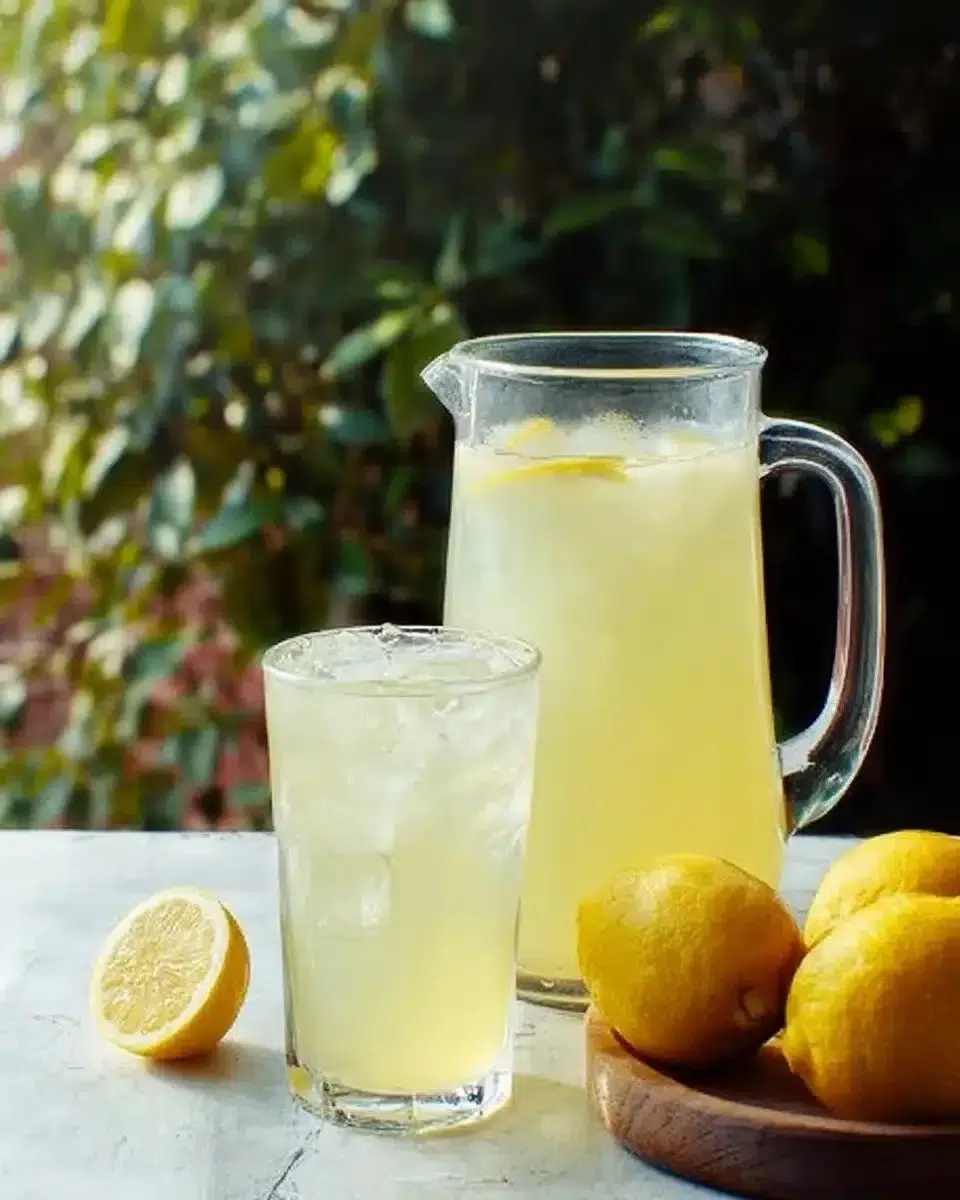
Bright & Easy Citrus Lemonade
Sunshine in a glass: the first sip should taste like summer—tart, sweet, and bright. This citrus lemonade recipe balances lemon with orange and a touch of lime for depth, and it comes together in about 10 minutes. I first developed this mix while testing pitchers for a backyard pop-up and refined it over a dozen trials until the sweetness and acidity felt just right. As a chef who has led beverage programs and taught home cooks, I tested this recipe across different sweeteners and waters to land on the most reliable version. Read on for exact measurements, timing, and pro tips so every pitcher turns out balanced and sparkly.
Why This Recipe Works
- Simple syrup blends sugar and water so sweetness disperses evenly, avoiding grainy grit and sudden clumps of sugar.
- A mix of lemon, orange, and lime adds aromatics and depth; citrus oils in the peel lift the flavor without extra sugar.
- Cold dilution with measured water keeps acidity steady and avoids a too-strong punch after chilling.
- Optional sparkling water added at serving time preserves fizz and brightens the palate.
- Measuring by weight for sugar ensures consistent sweetness whether you use more or less juice.
Ingredients Breakdown
- Fresh lemon juice — 360 ml (1½ cups), about 6–8 lemons. Lemons provide primary acidity and aroma. Do not use bottled juice; it tastes flat.
- Fresh orange juice — 120 ml (½ cup), about 1 medium orange. Adds sweetness and floral notes. You can skip it, but flavor will be one-dimensional.
- Fresh lime juice — 30 ml (2 tablespoons), about 1 lime. Lime sharpens the finish without adding bitterness.
- Granulated sugar — 200 g (1 cup). Dissolves into the simple syrup. For a lighter result, use 160 g (¾ cup), but expect a tarter drink.
- Water for syrup — 240 ml (1 cup). Boiled briefly with sugar to make syrup.
- Cold water — 1.5 L (6 cups) to dilute the concentrate. Swap some for sparkling water at serving time if desired.
- Ice — as needed.
- Citrus slices and fresh mint — optional garnish.
Substitutions and impact warnings: - Honey or maple syrup: swap cup-for-cup in the syrup, but flavor will be heavier and darker. Start with 160 g (¾ cup) if using honey.
- Granulated sugar alternatives (erythritol, stevia blends): use manufacturer guidance. Texture and sweetness intensity vary.
- If you want a lower-sugar version, cut syrup to 120 g (⅔ cup) sugar + 240 ml water and taste before adding more.
If you plan to serve this with a sweet cookie, try pairing with soft blueberry crinkle cookies for a fruity complement.
Essential Equipment
- Citrus juicer or handheld reamer — extracts more juice and limits pulp. If you lack one, press and twist each half by hand over a fine mesh strainer.
- Small saucepan (1–2 qt / 1–2 L) — to make the simple syrup.
- Large pitcher (2 L) — to combine syrup, juices, and water without spilling.
- Kitchen scale — for consistent sugar measurement (200 g). If you don’t have a scale, use measured cups but know results vary.
- Fine-mesh strainer — to remove seeds and excess pulp for a smooth finish.
For a casual backyard menu with hearty mains, consider pairing this pitcher with air-fryer mains like air-fryer loaded potatoes.
Step-by-Step Instructions
This recipe makes 8 servings (1 cup / 240 ml each). Prep time: 10 minutes. Cook time: 5 minutes. Inactive time: none. Total time: about 15 minutes.
Step 1: Make the simple syrup
Combine 200 g (1 cup) granulated sugar and 240 ml (1 cup) water in a small saucepan. Heat over medium until the sugar dissolves and the mixture just comes to a simmer, about 3–4 minutes, stirring occasionally. Remove from heat and cool slightly for 5 minutes.
Step 2: Juice the citrus
While the syrup cools, squeeze 360 ml (1½ cups) lemon juice, 120 ml (½ cup) orange juice, and 30 ml (2 tbsp) lime juice into a bowl. Use a fine-mesh strainer to remove seeds and excess pulp. This step should take about 6–8 minutes.
Step 3: Combine syrup and juices
Pour the syrup into a large pitcher. Add the strained citrus juices and stir gently for 15–20 seconds until mixed. Taste now — the mix at this stage is your concentrate.
Step 4: Dilute to taste
Add 1.5 L (6 cups) cold water to the pitcher and stir. Taste again: if too sweet, add up to 240 ml (1 cup) more water; if too tart, add 30–60 ml (2–4 tbsp) more syrup (use reserved syrup chilled). This takes 1–2 minutes.
Step 5: Chill and serve
Add ice and citrus slices to glasses. For a sparkling version, divide the lemonade among glasses and top each with 60–120 ml (¼–½ cup) chilled sparkling water. Serve immediately. For still lemonade, chill the full pitcher for at least 30 minutes before serving. Do not add sparkling water to the entire pitcher — it loses fizz quickly.
Expert Tips & Pro Techniques
- Common mistake: over-juicing the pulp. Too much pulp makes the drink cloudy and bitter. Strain the juice and discard the coarse bits.
- Measure sugar by weight. 200 g guarantees predictable sweetness regardless of how packed your measuring cups are.
- Professional technique adapted for home: gently bruise citrus peels with the back of a spoon over the pitcher to release aroma oils without adding bitterness.
- Make-ahead: prepare the syrup and juice up to 24 hours ahead. Store both separately refrigerated, then mix and dilute when ready.
- To keep lemonade bright when chilling: chill the diluted pitcher quickly by placing it in an ice bath for 10 minutes. Slow chilling dulls flavor.
- For a clearer beverage: after straining, let the concentrated mix rest in the fridge for 30 minutes; skim any foam before diluting.
Storage & Reheating
- Refrigerator: Store lemonade in a sealed pitcher or airtight bottle for up to 3–4 days. Keep it cold; the flavor fades after day 3.
- Freezer: You can freeze lemonade concentrate (juice + syrup) in a freezer-safe container for up to 3 months. Leave 2–3 cm headspace for expansion. Thaw overnight in the fridge and dilute with cold water before serving.
- Reheating: Do not reheat lemonade. If you prefer a warm citrus beverage, warm the syrup and juices gently to 60°C (140°F) and serve as a warm toddy with spices, but expect a different flavor profile.
Variations & Substitutions
- Sparkling Citrus Lemonade: Replace 500–750 ml (2–3 cups) of the cold water with chilled sparkling water at serving time. Add fizz only when pouring into glasses.
- Lower Sugar Version: Use 160 g (¾ cup) sugar for the syrup and increase water to 1.75 L (7 cups) total. Taste before chilling; sweetness will feel less forward.
- Lemon-Limeade: Omit the orange juice and add 120 ml (½ cup) extra lime juice for a sharper profile. Expect higher acidity; add 30–60 ml (2–4 tbsp) extra syrup if needed. (This is a simple lemon limeade twist.)
- Honey-Sweetened: Replace sugar with 160 g (¾ cup) honey in the syrup. Heat honey with water to dissolve, but do not boil hard — this darkens flavor.
- Adult Version (Cocktail): For a pitcher of spiked lemonade, add 240–360 ml (1–1½ cups) vodka or light rum to the diluted pitcher and stir gently. Serve over ice.
Serving Suggestions & Pairings
- Brunch or picnic: Serve with soft brown sugar cookies like easy brown sugar cookies to balance the tartness.
- Dessert pairing: Bright lemonade cuts through rich desserts, such as a chilled chocolate eclair cake.
- Savory pairing: It also pairs well with grilled chicken, seafood, or fresh salads for a light meal.
- Garnish ideas: Thin citrus wheels, a sprig of mint, or a few frozen berries for color and chill.
Nutrition Information
Serving size: 1 cup (240 ml). Makes 8 servings.
Per serving (approximate estimates):
- Calories: 105 kcal
- Total Fat: 0 g
- Saturated Fat: 0 g
- Cholesterol: 0 mg
- Sodium: 5 mg
- Total Carbohydrates: 26 g
- Dietary Fiber: 0.2 g
- Sugars: 25 g
- Protein: 0.2 g
Nutrition values are estimates. Actual values may vary based on specific ingredients and preparation methods.
Frequently Asked Questions
Q: Why did my lemonade taste flat after chilling?
A: Cold dulls citrus aroma. Stir the pitcher well before serving and add a few thin citrus peels pressed gently over the drink to release oils for brightness.
Q: Can I make this without sugar?
A: Yes. Swap sugar for a zero-calorie sweetener per manufacturer instructions. Be aware texture and taste intensity will change. Start with a smaller amount and taste as you go.
Q: Can I double this recipe?
A: Yes. Double juice, syrup, and water. Use a larger pitcher or two. Taste after mixing — doubling sometimes needs small tweaks to sweetness.
Q: Can I prepare this the night before?
A: Yes. You can make the syrup and juice up to 24 hours ahead and keep them refrigerated separately. Combine and dilute just before serving for the freshest flavor.
Q: How long does fresh lemonade keep in the fridge?
A: Store in an airtight container for 3–4 days. Flavor is best within 48 hours.
Q: My lemonade is too sweet — how do I fix it?
A: Add 60–120 ml (¼–½ cup) cold water at a time and taste until balanced. A splash of additional lime juice can help cut sweetness without adding much liquid.
Q: Can I use sparkling water in the pitcher?
A: It’s better to add sparkling water to individual glasses to keep fizz. If you mix it into the whole pitcher, the carbonation will fade quickly.
Conclusion
Bright pitchers of citrus lemonade are an easy, crowd-pleasing staple. For a dessert-inspired twist, try the No Bake Strawberry Lemonade Pie recipe at No Bake Strawberry Lemonade Pie with Video – Bread Booze Bacon. If you want more fruit-forward drink ideas, see this blueberry version at Easy Blueberry Lemonade – The Oregon Dietitian.
Print
Bright & Easy Citrus Lemonade
- Total Time: 15 minutes
- Yield: 8 servings 1x
- Diet: Vegan
Description
A refreshing citrus lemonade that combines lemon, orange, and lime for a bright summer drink.
Ingredients
- 360 ml (1½ cups) fresh lemon juice (about 6–8 lemons)
- 120 ml (½ cup) fresh orange juice (about 1 medium orange)
- 30 ml (2 tablespoons) fresh lime juice (about 1 lime)
- 200 g (1 cup) granulated sugar
- 240 ml (1 cup) water (for syrup)
- 1.5 L (6 cups) cold water (to dilute)
- Ice (as needed)
- Citrus slices (optional garnish)
- Fresh mint (optional garnish)
Instructions
- Combine 200 g (1 cup) granulated sugar and 240 ml (1 cup) water in a small saucepan. Heat over medium until the sugar dissolves and the mixture just comes to a simmer, about 3–4 minutes, stirring occasionally. Remove from heat and cool slightly for 5 minutes.
- While the syrup cools, squeeze 360 ml (1½ cups) lemon juice, 120 ml (½ cup) orange juice, and 30 ml (2 tablespoons) lime juice into a bowl. Use a fine-mesh strainer to remove seeds and excess pulp.
- Pour the syrup into a large pitcher. Add the strained citrus juices and stir gently for 15–20 seconds until mixed.
- Add 1.5 L (6 cups) cold water to the pitcher and stir. Taste again and adjust sweetness if necessary.
- Serve immediately with ice and garnish as desired.
Notes
For a sparkling version, replace some of the cold water with sparkling water at serving time. Adjust sweetness according to preference.
- Prep Time: 10 minutes
- Cook Time: 5 minutes
- Category: Beverage
- Method: Mixing
- Cuisine: American
Nutrition
- Serving Size: 1 cup (240 ml)
- Calories: 105
- Sugar: 25g
- Sodium: 5mg
- Fat: 0g
- Saturated Fat: 0g
- Unsaturated Fat: 0g
- Trans Fat: 0g
- Carbohydrates: 26g
- Fiber: 0g
- Protein: 0g
- Cholesterol: 0mg

Written by Sadka
Sadka is the founder and editor-in-chief of Al3abFun. Passionate about making delicious food accessible to everyone, Sadka oversees recipe development, nutritional accuracy, and editorial quality across all published content. With a background in food science and digital publishing, Sadka ensures every recipe meets the highest standards of taste, accuracy, and presentation.