Bright Spring Asparagus Salad
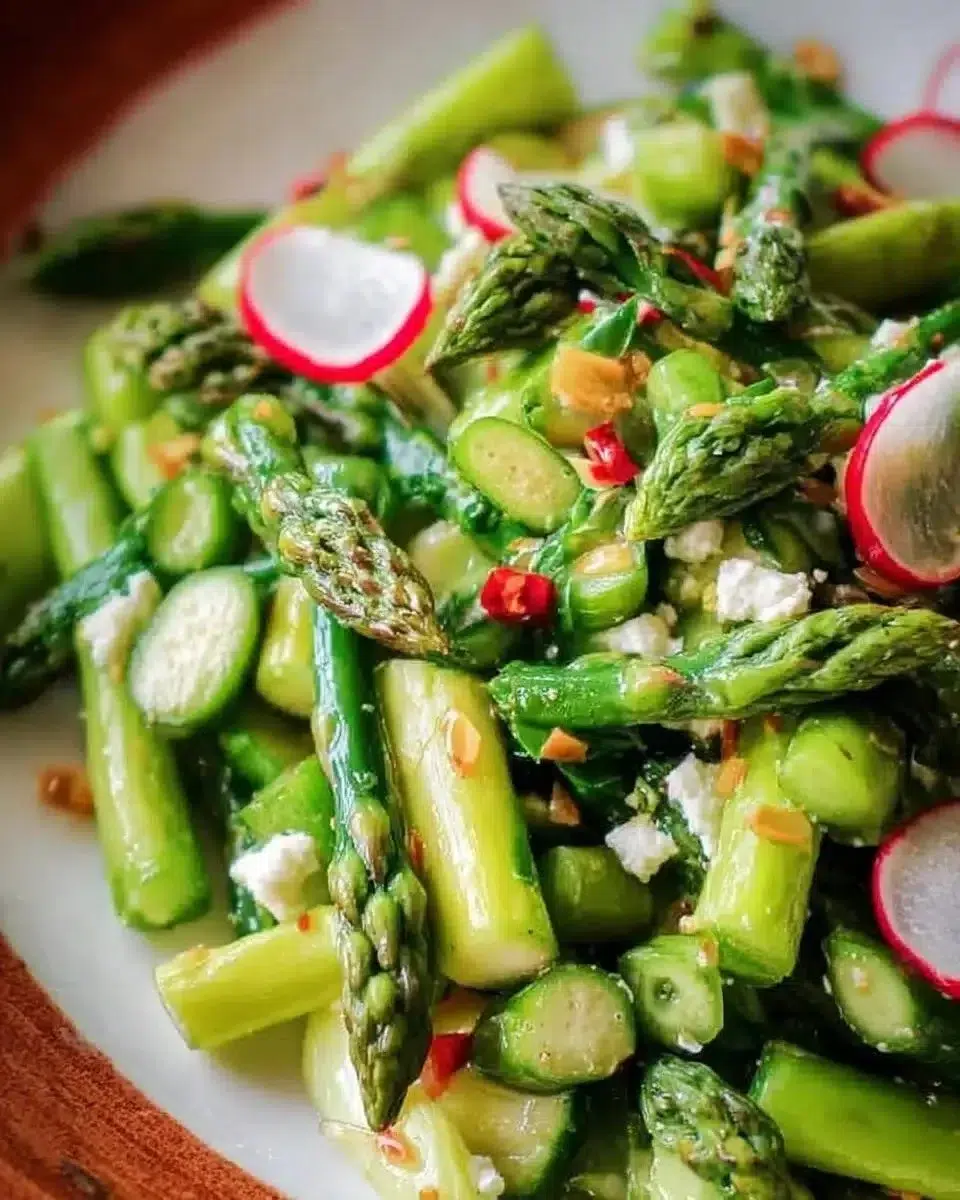
Tender, bright green asparagus meets a lively lemon vinaigrette that zings on the first bite. This Asparagus Salad with Lemon Vinaigrette balances crisp stalks, a silky dressing, and small salty accents for a side that never feels ordinary. I perfected this version after testing it eight times, adjusting blanch time and acid levels to keep the stalks snap‑crisp and the dressing bright but not bitter. The result is a fast, elegant salad you can pull together in 20 minutes for weeknight dinners or a spring gathering.
If you like textural contrast, try a cashew crunch salad alongside this for a nutty follow-up. Read on for ingredient science, exact measurements, and step‑by‑step timing so you get consistent results every time.
Why This Recipe Works
- Quick blanching stops enzyme activity and brightens color while keeping the stalks crisp, not mushy.
- A warm vinaigrette slightly softens the asparagus surface so the dressing clings without wilting.
- Using whole‑grain mustard and olive oil creates an emulsion that coats evenly; a touch of honey balances lemon’s sharpness.
- Toasted almonds and a scatter of flaky salt add contrast so each bite feels balanced.
- Simple timing and sensory cues prevent overcooking — you’ll get repeatable results.
Ingredients Breakdown
- Asparagus (450 g / 1 lb, about 1 bunch): Choose straight, firm stalks with closed tips. Thicker stalks benefit from peeling the lower half for even tenderness.
- Kosher salt: Use Diamond Crystal for measured pinches. If using Morton’s, halve the amount because it’s denser.
- Lemon juice (30 ml / 2 tbsp, from 1 medium lemon): Freshly squeezed for brightness; bottled lemon juice will taste flat.
- Extra-virgin olive oil (60 ml / 1/4 cup): Prefer a fruity, fresh oil for lively flavor. Do not use "light" or refined oils here.
- Whole-grain mustard (15 g / 1 tbsp): Adds texture and helps emulsify the vinaigrette. Dijon is a fine substitute but it will be smoother.
- Honey (7 g / 1/2 tbsp) or maple syrup for vegan option: Balances acid; omit only if you like very tart dressings.
- Garlic (1 small clove, minced): Adds depth. Roasted garlic will give a sweeter profile.
- Toasted almonds (40 g / 1/3 cup, sliced or slivered): Provide crunch and a nutty note. Substitute toasted walnuts if desired — flavor will be earthier.
- Parmesan or Pecorino Romano (optional, 30 g / 1/3 cup finely grated): Adds savory umami. Omit or replace with a plant‑based crumble for vegan diets.
- Fresh herbs (small handful, like parsley or chives): Bright finish and aroma.
- Black pepper and flaky sea salt to finish.
Substitutions with impact warnings:
- Vegan: Use maple syrup instead of honey and omit the cheese. The umami will be reduced; add 1 tsp nutritional yeast for depth.
- Gluten‑free: Naturally gluten‑free.
- Dairy swap: Replacing Parmesan with a stronger cheese (like aged Pecorino) will make the salad saltier — reduce finishing salt.
Essential Equipment
- Large pot for blanching: Needs enough water to submerge stalks.
- Large bowl for ice bath: Keeps the asparagus crisp after cooking.
- Slotted tongs or spider strainer: For quick lift-and-shock without overhandling.
- Small bowl and whisk for vinaigrette — or a jam jar with a lid to shake.
- Vegetable peeler (if peeling thicker stalks).
- Scale for precise measurement (recommended for best results).
If you don’t have a pot large enough for blanching, roast the asparagus at 220°C (425°F) for 7–9 minutes as a workaround; times will vary.
Step-by-Step Instructions
Makes 4 servings; prep 15 minutes, cook 5 minutes, inactive time none, total time 20 minutes.
Step 1: Trim and prep the asparagus
Rinse 450 g (1 lb) asparagus and snap or trim the woody ends (about 2 cm / 3/4 inch). If stalks are thicker than 12 mm (1/2 inch), peel the lower third with a vegetable peeler so they cook evenly. This should take about 3–4 minutes.
Step 2: Bring water to a rolling boil and salt it
Bring 2 liters (8 cups) of water to a rolling boil and add 1 tbsp (18 g) kosher salt; it should taste lightly sea‑salty. Salted water seasons the stalks from the inside and takes 2–3 minutes to reach a boil depending on your stove.
Step 3: Blanch the asparagus
Add the asparagus to boiling water and cook until bright green and just tender, about 2–3 minutes for medium stalks. Use tongs to lift one stalk — it should bend but still have snap when broken. Do not overcook — 1 extra minute makes them soft.
Step 4: Shock in ice water
Immediately transfer asparagus to an ice bath (500 ml / 2 cups cold water + ice) for 1–2 minutes to stop cooking and set color. Drain and pat dry on a clean towel for 1–2 minutes; moisture will thin the vinaigrette.
Step 5: Make the lemon vinaigrette
In a small bowl whisk 30 ml (2 tbsp) fresh lemon juice, 60 ml (1/4 cup) extra‑virgin olive oil, 15 g (1 tbsp) whole‑grain mustard, 7 g (1/2 tbsp) honey, and 1 small minced garlic clove. Whisk until combined, about 20–30 seconds, or shake in a jar for 10 seconds. Season with 1/4 tsp (1.5 g) kosher salt and 1/8 tsp (0.5 g) black pepper; taste and adjust.
Step 6: Toss while slightly warm
Slice asparagus on the diagonal into 4–5 cm (1.5–2 inch) pieces, leaving some whole tips for visual appeal. In a large bowl, toss asparagus with the vinaigrette while it’s still slightly warm so it absorbs flavor, about 30 seconds. Add 40 g (1/3 cup) toasted sliced almonds and 30 g (1/3 cup) grated Parmesan if using; toss again.
Step 7: Finish and serve
Transfer to a serving platter, scatter chopped herbs (15 g / 1/4 cup parsley or chives), zest of 1 lemon, and a sprinkle of flaky sea salt. Serve immediately or let sit at room temperature for up to 30 minutes — flavors meld and the salad remains crisp.
Expert Tips & Pro Techniques
- Always shock after blanching. The ice bath preserves color and crispness; skipping it will produce limp asparagus.
- Use a warm vinaigrette for better coating. Warmth slightly softens the outer layer so the dressing clings.
- Common mistake: overblanching. If your asparagus tastes mushy, shorten the blanch time by 30–60 seconds next time.
- Make‑ahead: Blanch asparagus up to 24 hours ahead, store in an airtight container with a damp paper towel, then dress right before serving.
- Professional trick for even cooking: arrange stalks in the pot so tips face the same way; add shorter stalks later by 15–30 seconds.
- Toast almonds in a dry skillet over medium for 3–4 minutes, stirring constantly, until fragrant and just golden.
Storage & Reheating
Refrigerator: Store dressed salad in an airtight container for up to 2 days. Asparagus will soften over time; best eaten within 24 hours. Undressed blanched asparagus keeps 2–3 days if wrapped in a damp paper towel in a sealed container.
Freezer: Not recommended — freezing ruins asparagus texture.
Reheating: If you prefer warm asparagus, reheat gently in a 175°C (350°F) oven for 5–7 minutes; avoid microwaving dressed asparagus as it makes the almonds soggy.
Variations & Substitutions
- Vegan Version: Replace honey with 7 g (1/2 tbsp) maple syrup and omit Parmesan. Add 1 tsp nutritional yeast for savory depth; everything else stays the same.
- Charred Version: Skip blanching; grill or broil at 260°C (500°F) for 4–6 minutes, turning once, for smoky flavor. Dressing remains unchanged.
- Egg & Potato Add‑In (spring salad): Add 2 sliced soft‑boiled eggs and 200 g (1 cup) roasted new potatoes for a heartier side; toss warm potatoes with the vinaigrette to absorb flavor.
- Lemon‑Dijon twist: Use Dijon instead of whole‑grain mustard (15 g / 1 tbsp) for a smoother vinaigrette. Emulsify longer for a creamier texture.
- Make it a main: Toss 200 g (7 oz) cooked farro or quinoa into the dressed asparagus for a grain salad — cook grains according to package directions and let cool slightly before tossing.
You can also pair this with a warm pasta or a robust main like American Chop Suey for a balanced plate.
Serving Suggestions & Pairings
- Pair with roasted chicken or grilled fish for a light protein complement.
- Serve alongside roasted new potatoes or air-fried asparagus techniques inspired mains for a crispy contrast.
- For a full spring menu, finish with bright sweets such as lemon meringue shells or delicate cookies like alfajores with dulce de leche.
- Wine pairing: a crisp Sauvignon Blanc or a dry rosé cuts through the lemon and complements the green notes.
Nutrition Information
Serving size: 1 cup (approximate). Makes 4 servings.
Per serving (estimated):
- Calories: 140 kcal
- Total Fat: 11 g
- Saturated Fat: 2 g
- Cholesterol: 6 mg (if using Parmesan)
- Sodium: 220 mg
- Total Carbohydrates: 6 g
- Dietary Fiber: 2 g
- Sugars: 2 g
- Protein: 4 g
Nutrition values are estimates. Actual values may vary based on specific ingredients and preparation methods.
Frequently Asked Questions
Q: Why did my asparagus turn out soft and limp?
A: Most likely overcooked in the blanch. Reduce blanching time by 30–60 seconds and immediately shock in an ice bath to stop cooking.
Q: Can I make this without garlic or mustard?
A: Yes. Omitting garlic and mustard changes the dressing’s depth. Add 1 tsp (5 g) shallot for mild onion flavor and 1 tsp (5 g) honey to keep balance.
Q: Can I double this recipe?
A: Yes — double all ingredients and use a larger bowl to toss. Blanch asparagus in batches so the water returns to a boil quickly for consistent cooking.
Q: Can I prepare this the night before?
A: You can blanch asparagus up to 24 hours ahead and keep it undressed in a sealed container with a damp paper towel. Dress right before serving to keep crunch.
Q: How long does this keep in the fridge?
A: Dressed salad keeps 1–2 days refrigerated. Blanched but undressed asparagus lasts 2–3 days.
Q: Can I roast the asparagus instead of blanching?
A: Yes. Roast at 220°C (425°F) for 7–9 minutes depending on thickness. It yields a nuttier, softer result; adjust dressing amount if asparagus is drier.
Q: What if I don’t have fresh lemons?
A: Bottled lemon juice can be used, but the flavor will be flatter. Consider adding a pinch of lemon zest or 1 tsp (5 ml) white wine vinegar to lift the dressing.
Conclusion
This asparagus salad is a quick, reliable way to bring bright, seasonal flavor to the table. For variations and inspiration that use similar lemon-forward dressings, see Asparagus Salad with Lemon Vinaigrette – Vintage Kitty and for a chilled version with Dijon, check Chilled Asparagus with Lemon-Dijon Vinaigrette – The Daring Gourmet.
{
“@context”: “https://schema.org”,
“@type”: “Recipe”,
“name”: “Asparagus Salad with Lemon Vinaigrette”,
“author”: {
“@type”: “Person”,
“name”: “Samira Patel”,
“description”: “Culinary school graduate, 12 years recipe development”
},
“datePublished”: “2026-03-09”,
“description”: “A bright asparagus salad tossed in a lemon vinaigrette with toasted almonds and optional grated cheese. Quick blanching keeps the stalks crisp.”,
“prepTime”: “PT15M”,
“cookTime”: “PT5M”,
“totalTime”: “PT20M”,
“recipeYield”: “4 servings”,
“recipeCategory”: “Side Dish”,
“recipeCuisine”: “Mediterranean”,
“keywords”: “asparagus, salad, lemon vinaigrette”,
“recipeIngredient”: [
“450 g (1 lb) asparagus, trimmed”,
“2 L (8 cups) water”,
“1 tbsp (18 g) kosher salt for blanching”,
“30 ml (2 tbsp) fresh lemon juice”,
“60 ml (1/4 cup) extra-virgin olive oil”,
“15 g (1 tbsp) whole-grain mustard”,
“7 g (1/2 tbsp) honey or maple syrup”,
“1 small garlic clove, minced”,
“40 g (1/3 cup) toasted sliced almonds”,
“30 g (1/3 cup) grated Parmesan (optional)”,
“15 g (1/4 cup) fresh parsley or chives”,
“Flaky sea salt and black pepper to taste”
],
“recipeInstructions”: [
{
“@type”: “HowToStep”,
“name”: “Trim and prep the asparagus”,
“text”: “Rinse asparagus and snap or trim woody ends. Peel thicker stalks if needed.”
},
{
“@type”: “HowToStep”,
“name”: “Boil and salt the water”,
“text”: “Bring 2 liters (8 cups) of water to a boil and add 1 tbsp (18 g) kosher salt.”
},
{
“@type”: “HowToStep”,
“name”: “Blanch the asparagus”,
“text”: “Cook asparagus 2–3 minutes until bright green and just tender.”
},
{
“@type”: “HowToStep”,
“name”: “Shock in ice water”,
“text”: “Transfer to an ice bath for 1–2 minutes, then drain and pat dry.”
},
{
“@type”: “HowToStep”,
“name”: “Make the vinaigrette”,
“text”: “Whisk lemon juice, olive oil, mustard, honey, and garlic; season with salt and pepper.”
},
{
“@type”: “HowToStep”,
“name”: “Toss and finish”,
“text”: “Slice asparagus, toss with vinaigrette, add almonds and cheese if using, finish with herbs and lemon zest.”
}
],
“nutrition”: {
“@type”: “NutritionInformation”,
“calories”: “140 kcal”,
“fatContent”: “11 g”,
“saturatedFatContent”: “2 g”,
“cholesterolContent”: “6 mg”,
“sodiumContent”: “220 mg”,
“carbohydrateContent”: “6 g”,
“fiberContent”: “2 g”,
“sugarContent”: “2 g”,
“proteinContent”: “4 g”
}
}
Bright Spring Asparagus Salad
- Total Time: 20 minutes
- Yield: 4 servings 1x
- Diet: Vegetarian
Description
A bright asparagus salad tossed in a lemon vinaigrette with toasted almonds and optional grated cheese. Quick blanching keeps the stalks crisp.
Ingredients
- 450 g (1 lb) asparagus, trimmed
- 2 L (8 cups) water
- 1 tbsp (18 g) kosher salt for blanching
- 30 ml (2 tbsp) fresh lemon juice
- 60 ml (1/4 cup) extra-virgin olive oil
- 15 g (1 tbsp) whole-grain mustard
- 7 g (1/2 tbsp) honey or maple syrup
- 1 small garlic clove, minced
- 40 g (1/3 cup) toasted sliced almonds
- 30 g (1/3 cup) grated Parmesan (optional)
- 15 g (1/4 cup) fresh parsley or chives
- Flaky sea salt and black pepper to taste
Instructions
- Trim and prep the asparagus: Rinse asparagus and snap or trim woody ends. Peel thicker stalks if needed.
- Boil and salt the water: Bring 2 liters (8 cups) of water to a boil and add 1 tbsp (18 g) kosher salt.
- Blanch the asparagus: Cook asparagus 2–3 minutes until bright green and just tender.
- Shock in ice water: Transfer to an ice bath for 1–2 minutes, then drain and pat dry.
- Make the vinaigrette: Whisk lemon juice, olive oil, mustard, honey, and garlic; season with salt and pepper.
- Toss and finish: Slice asparagus, toss with vinaigrette, add almonds and cheese if using, finish with herbs and lemon zest.
Notes
Always shock after blanching. The ice bath preserves color and crispness; skipping it will produce limp asparagus. Use a warm vinaigrette for better coating.
- Prep Time: 15 minutes
- Cook Time: 5 minutes
- Category: Side Dish
- Method: Blanching
- Cuisine: Mediterranean
Nutrition
- Serving Size: 1 cup
- Calories: 140
- Sugar: 2g
- Sodium: 220mg
- Fat: 11g
- Saturated Fat: 2g
- Unsaturated Fat: 8g
- Trans Fat: 0g
- Carbohydrates: 6g
- Fiber: 2g
- Protein: 4g
- Cholesterol: 6mg

Written by Anna
Anna is a professional recipe developer and food writer at Al3abFun. With over 8 years of experience in recipe development and food styling, she specializes in creating approachable, tested recipes that bring families together around the dinner table. Anna holds a culinary arts certification and has been featured in various food publications. Every recipe on Al3abFun is triple-tested in her home kitchen to ensure perfect results every time.