Bright Spring Pasta with Asparagus and Lemon
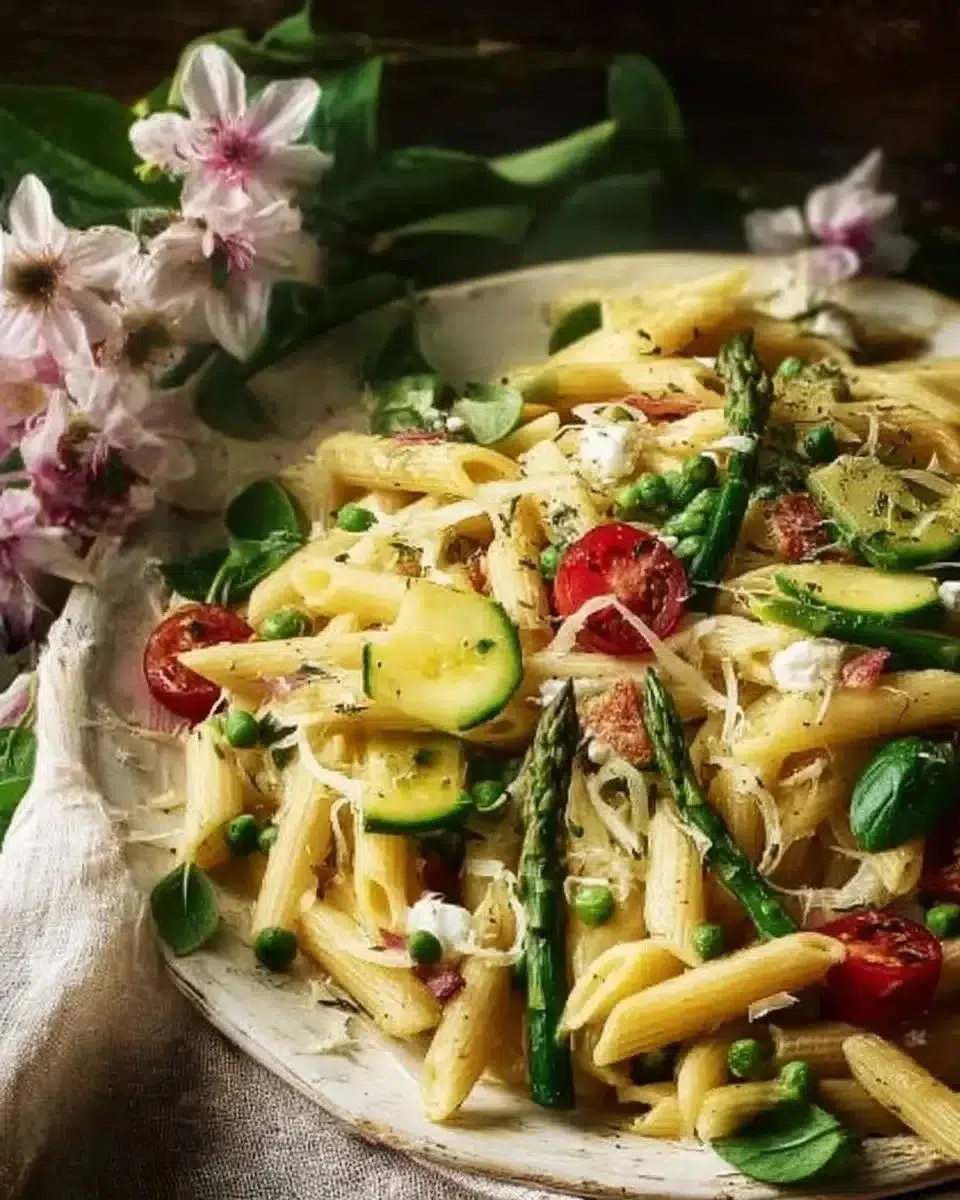
The first forkful is all sunshine: bright lemon, tender asparagus, and silky pasta that clings to Parmesan. Asparagus Lemon Pasta sits squarely in that weeknight-winner zone—fast, fresh, and full of flavor. I developed this version over many spring runs through farmers’ markets and tested it eight times to balance lemon, salt, and texture. The result is a simple sauce built from pasta water, olive oil, a touch of butter, and grated Parmesan so every strand is glossy without being heavy. If you love lemon-forward pasta combos, try my other lemon spinach ricotta pasta for a creamier take. Read on for precise timing, metric and imperial measures, and tips that keep the asparagus perfectly crisp-tender.
Why This Recipe Works
- Quick blanch-and-toss lets asparagus stay bright and crisp while the pasta finishes cooking in the same pan for flavor.
- Pasta water (starchy and hot) emulsifies with oil and cheese to make a silky, clingy sauce without cream.
- Zest plus fresh juice balances fat and salt so the dish tastes bright, not flat.
- Minimal ingredients let each element shine—good olive oil and real Parmesan make a noticeable difference.
- Tested repeatedly to find the right lemon-to-cheese ratio so the lemon cuts through but doesn’t overpower.
Ingredients Breakdown
- Spaghetti or long pasta, 400 g (14 oz): The long strands hold the sauce best. Use 350–400 g for four lighter servings.
- Asparagus, 450 g (1 lb) trimmed and cut into 2–3 cm pieces: Adds snap and green flavor. Thicker stalks need an extra 30–60 seconds to blanch.
- Extra-virgin olive oil, 45 ml (3 tbsp): Forms the base of the sauce; use a fruity, peppery oil if you have it.
- Unsalted butter, 15 g (1 tbsp): Adds silk and helps emulsify. Can omit for dairy-free.
- Garlic, 2 cloves, thinly sliced: Mild garlic flavor that mellows when quickly cooked. Mince if you prefer more bite.
- Lemon zest and juice, zest from 1 lemon (about 1½ tsp), juice 30 ml (2 tbsp): Zest gives aroma; juice gives acidity—both are essential.
- Parmesan, finely grated, 100 g (1 cup) packed: Parm (Parmigiano-Reggiano) melts into the sauce and supplies umami. For a nuttier bite, try Grana Padano.
- Salt and black pepper: Kosher salt recommended. If using Morton’s, halve the amount.
- Red pepper flakes, optional, 1/4–1/2 tsp: Adds a gentle heat.
- Fresh herbs, optional (basil or chives): For finishing.
Substitutions and impact warnings:
- Gluten-free pasta: Use a high-quality rice or legume blend; texture differs slightly and cooking time may vary.
- Vegan: Swap butter for olive oil and Parmesan for a granular vegan cheese—texture and umami will be reduced. Consider adding toasted nutritional yeast for depth.
- Protein add-ins: Add cooked chicken or shrimp at the end; see Serving Suggestions below. For ideas on pairing proteins, consider this lemon chicken pasta for inspiration.
Essential Equipment
- Large pot for boiling pasta (at least 5 liters / 5 quarts) so pasta moves freely.
- Large sauté pan or skillet, 30 cm (12-inch): Wide surface helps toss pasta and asparagus. If you only have a small pan, toss in batches.
- Fine grater or microplane for lemon zest and Parmesan.
- Tongs for lifting and tossing pasta.
- Slotted spoon or spider for removing asparagus if you blanche it separately.
- Kitchen scale for accurate dry weights (recommended). If you don’t have a scale, use measuring cups but note results may vary.
- No thermometer is required, but an instant-read helps with other recipes.
If you want crisp-roasted asparagus instead of blanching, an air fryer works well—see this air-fried method for reference: air-fried steak and asparagus.
Step-by-Step Instructions
Serves 4 • Prep 15 minutes • Cook 15 minutes • Inactive time: None • Total time 30 minutes.
Step 1: Bring the pasta water to a rolling boil
Fill a large pot with 4.5–5 liters (4.5–5 quarts) of water and bring to a rapid boil. Add 15 g (1 tbsp) kosher salt when water boils. This seasons the pasta itself. Boil until water returns to a full boil, about 8–10 minutes.
Step 2: Trim and cut the asparagus
Trim woody ends off 450 g (1 lb) asparagus and cut into 2–3 cm (1-inch) pieces. Save tips for a finishing garnish if you like. Thick stalks can be halved lengthwise. This takes 3–4 minutes.
Step 3: Blanche the asparagus
Add asparagus to boiling water and cook for 1 minute for thin stalks, 2 minutes for thicker stalks—until bright green and just tender. Use a slotted spoon to transfer asparagus to a bowl of ice water to stop cooking. Drain and set aside. Timing: 1–2 minutes.
Step 4: Cook the pasta and reserve water
Add 400 g (14 oz) spaghetti and cook to 1 minute less than package directions (al dente). Reserve 240 ml (1 cup) of the starchy pasta water before draining. Drain the pasta and do not rinse. Cooking time varies; expect 8–10 minutes.
Step 5: Build the sauce
While pasta cooks, heat 30 ml (2 tbsp) olive oil and 15 g (1 tbsp) butter in a 30 cm (12-inch) skillet over medium heat. Add 2 thinly sliced garlic cloves and cook until fragrant, about 30–45 seconds—do not brown. Add lemon zest, 30 ml (2 tbsp) juice, and 120 ml (1/2 cup) pasta water. Bring to a simmer for 20–30 seconds.
Step 6: Toss pasta, asparagus, and cheese
Add drained pasta to the skillet with sauce. Toss for 1 minute while gradually adding 100 g (1 cup) finely grated Parmesan and the blanched asparagus. Add extra pasta water by tablespoon if sauce seems dry. Do not overcook the cheese—toss until it melts into a glossy emulsion. Final toss: 1–2 minutes.
Step 7: Finish and season
Off heat, stir in remaining 15 ml (1 tbsp) olive oil, taste, and season with salt and black pepper. Sprinkle red pepper flakes if using. Top with extra grated Parmesan and fresh herbs. Serve immediately. Total active finish time: 2–3 minutes.
Expert Tips & Pro Techniques
- Always reserve pasta water. The starchy water binds oil and cheese into a silky sauce. Add it slowly to control thickness.
- Common mistake: Overcooking asparagus. Blanch briefly and shock in ice water to keep color and snap. If asparagus goes limp, it was overcooked—cook 15–30 seconds less next time.
- Use finely grated Parmesan (not shaved) so it melts into the sauce. Coarser shreds can clump.
- Make-ahead: Cook pasta to al dente and toss with a little oil. Store pasta and asparagus separately in airtight containers in the fridge up to 2 days. Reheat by tossing briefly in a hot skillet with a splash of water or broth.
- Professional trick adapted for home: Finish pasta off-heat with a cube of very cold butter and vigorous tossing to create a glossy emulsion. This technique yields restaurant-quality shine.
- If the sauce separates or seems greasy, add 1–2 tbsp very hot pasta water and whisk or toss to re-emulsify.
- If you want a crisp, lemony topping, lightly toast 30 g (1/4 cup) panko with 1 tsp olive oil and lemon zest and sprinkle on top. It adds texture and is a nice contrast to the silky pasta.
- For a light dessert after this pasta, try a simple cookie like apfel haferflocken kekse.
Storage & Reheating
- Refrigerator: Store cooled leftovers in an airtight container for up to 3 days. Keep asparagus and pasta together—sauced pasta holds better than dry.
- Freezer: Not ideal. Freezing separates the emulsion and makes asparagus mushy. If you must freeze, freeze pasta without asparagus in airtight freezer-safe containers for up to 1 month. Thaw overnight in the fridge.
- Reheating: Reheat on the stove in a skillet over medium-low with 1–2 tbsp water or broth, tossing until warmed through, 3–5 minutes. Finish with a squeeze of fresh lemon. Avoid microwaving, which makes asparagus limp and the sauce uneven.
Variations & Substitutions
- Vegan Version: Replace butter with extra olive oil, use vegan Parmesan or 30 g (1/4 cup) nutritional yeast. Keep lemon zest and juice the same. Texture will be slightly less creamy.
- Creamy Version: Stir in 120 ml (1/2 cup) heavy cream with the pasta water in Step 5 and simmer 1–2 minutes before tossing. The dish becomes richer; reduce butter to 7 g (1/2 tbsp).
- Protein-Boost: Add 300–400 g (10–14 oz) cooked chicken breast or shrimp. If using shrimp, cook 2–3 minutes per side until opaque and toss in at the end. For chicken ideas, see this lemon chicken pasta.
- Gluten-Free: Use 400 g (14 oz) high-quality GF pasta and follow package timing. Add a splash of extra pasta water as GF pastas can absorb liquid differently.
- Spring Greens Swap: Substitute half the asparagus with fresh peas or blanched sugar snap peas. Keep lemon quantities the same.
Serving Suggestions & Pairings
- Wine: A crisp Sauvignon Blanc or a dry Vermentino complements lemon and green notes.
- Side: Simple arugula salad with olive oil, lemon, and shaved Parmesan.
- Bread: Warm country bread or grilled baguette rubbed with garlic.
- Dessert: Finish with a light cookie or sorbet—try apfel haferflocken kekse for a homey finish.
Nutrition Information
Serving size: about 1 plate (of 4). Recipe yields 4 servings.
Per serving (estimates):
- Calories: 570 kcal
- Total Fat: 21 g
- Saturated Fat: 8 g
- Cholesterol: 25 mg
- Sodium: 480 mg
- Total Carbohydrates: 73 g
- Dietary Fiber: 6 g
- Sugars: 4 g
- Protein: 21 g
Nutrition values are estimates. Actual values may vary based on specific ingredients and preparation methods.
Frequently Asked Questions
Q: Why did my pasta sauce turn out greasy or separated?
A: You likely added cheese to oil that was too hot or not enough starchy water. Add hot pasta water gradually and toss off heat to re-emulsify.
Q: Can I make this without eggs?
A: Pasta itself often contains no eggs (check the package). The sauce contains no eggs, so yes—this recipe is naturally egg-free.
Q: Can I double this recipe for a crowd?
A: Yes. Use a much larger pot and pan so you can toss the pasta without crowding. You may need to split into two pans for even emulsification.
Q: Can I prepare this the night before?
A: Prep components ahead: trim asparagus and zest lemons, and cook pasta to al dente. Store separately and finish by tossing together on service day for best texture.
Q: How long does this keep in the fridge?
A: Properly stored in an airtight container, it keeps 3 days. Asparagus softens over time, so it’s freshest the first 24–48 hours.
Q: How do I keep asparagus crisp-tender?
A: Blanche 1–2 minutes depending on stalk thickness, then shock in ice water. Do not overcook in the final toss—heat only until warmed.
Q: What if I don’t have Parmesan?
A: Pecorino Romano can be used for a saltier, sharper flavor. Reduce added salt slightly.
Conclusion
This lemon-and-asparagus pasta is a spring staple that comes together in 30 minutes and sings with fresh ingredients. For other takes on lemon and asparagus in pasta, see a bright spring version at KathEats Lemon Asparagus Spring Pasta and a creamy plant-forward twist at Rainbow Plant Life creamy lemon asparagus pasta.
Print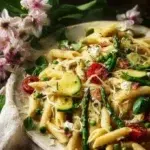
Bright Spring Pasta with Asparagus and Lemon
- Total Time: 30 minutes
- Yield: 4 servings 1x
- Diet: Vegetarian
Description
A vibrant and fresh pasta dish featuring asparagus and a light lemon sauce, perfect for weeknight dinners.
Ingredients
- 400 g (14 oz) spaghetti or long pasta
- 450 g (1 lb) asparagus, trimmed and cut into 2–3 cm pieces
- 45 ml (3 tbsp) extra-virgin olive oil
- 15 g (1 tbsp) unsalted butter
- 2 cloves garlic, thinly sliced
- Zest from 1 lemon (about 1½ tsp)
- 30 ml (2 tbsp) lemon juice
- 100 g (1 cup) finely grated Parmesan cheese
- Kosher salt and black pepper, to taste
- Red pepper flakes, optional (1/4–1/2 tsp)
- Fresh herbs, optional (basil or chives)
Instructions
- Bring a large pot of water to a rolling boil and add kosher salt.
- Trim the woody ends off the asparagus and cut it into pieces.
- Blanche the asparagus in boiling water until bright green and just tender.
- Cook the spaghetti to al dente, reserving some pasta water.
- Heat olive oil and butter in a skillet, then add garlic and sauté until fragrant.
- Add lemon zest, juice, and reserved pasta water to the skillet and bring to a simmer.
- Toss the pasta with the sauce, asparagus, and Parmesan until combined.
- Finish with olive oil, and season with salt, pepper, and optional red pepper flakes.
Notes
For a vegan version, replace butter with olive oil and use vegan cheese. To keep asparagus crisp, ensure not to overcook it.
- Prep Time: 15 minutes
- Cook Time: 15 minutes
- Category: Main Course
- Method: Boiling
- Cuisine: Italian
Nutrition
- Serving Size: 1 serving
- Calories: 570
- Sugar: 4g
- Sodium: 480mg
- Fat: 21g
- Saturated Fat: 8g
- Unsaturated Fat: 10g
- Trans Fat: 0g
- Carbohydrates: 73g
- Fiber: 6g
- Protein: 21g
- Cholesterol: 25mg

Written by Sadka
Sadka is the founder and editor-in-chief of Al3abFun. Passionate about making delicious food accessible to everyone, Sadka oversees recipe development, nutritional accuracy, and editorial quality across all published content. With a background in food science and digital publishing, Sadka ensures every recipe meets the highest standards of taste, accuracy, and presentation.